Transforming a room from a simple living area into a sanctuary of personal expression is a journey of creativity and intentional design. Many people feel trapped by the four walls of their home, viewing them as static boundaries rather than a blank canvas waiting for a story to be told. The secret to a truly stunning room doesn’t always lie in expensive renovations or high-end designer furniture but rather in the unique, thoughtful touches that reflect who you are. Whether you are working with a tiny studio apartment or a sprawling suburban bedroom, the goal is to create a sense of flow and character that makes you feel instantly at ease the moment you walk through the door.
The Power of Textural Layering
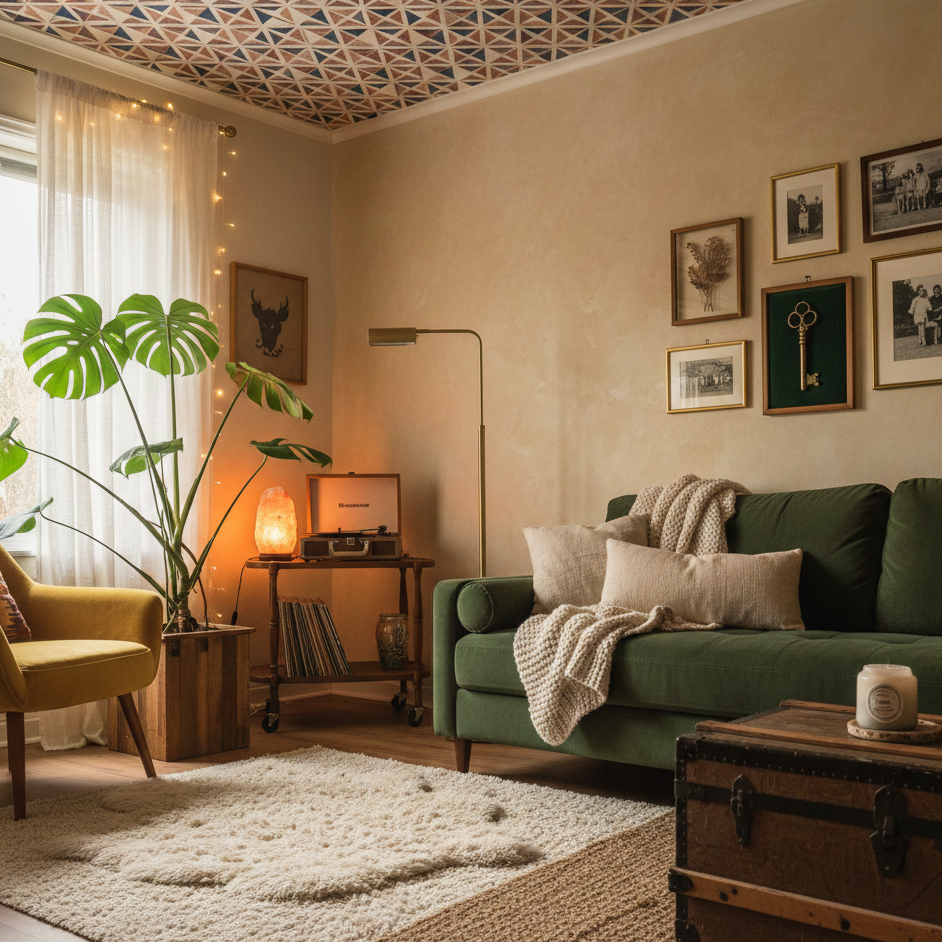
One of the most overlooked aspects of room decor is the use of texture to create depth and warmth. When a room feels “flat,” it is often because every surface is the same smoothness or material. To fix this, consider the concept of layering. Start from the ground up with a plush shag rug placed over a natural jute base. This creates a tactile contrast that is visually grounding. On your seating, mix linen throw pillows with chunky knit blankets and velvet accents. These varied materials catch the light differently and invite people to touch and feel the space. Even wall treatments can benefit from texture; think about macramé hangings, woven baskets, or lime-wash paint finishes that add a soft, earthy grit to the walls.
Lighting as a Mood Architect
Lighting is arguably the most critical element in interior design, yet it is frequently an afterthought. To transform your space, you must move beyond the standard overhead “big light” which often flattens a room and creates harsh shadows. Instead, aim for a three-tiered lighting approach: ambient, task, and accent.
- Ambient lighting provides the general glow—think of dimmable recessed lights or a large, paper-lantern style pendant.
- Task lighting is functional, like a sleek brass floor lamp over a reading nook or LED strips under kitchen shelving.
- Accent lighting is where the magic happens. Use neon signs for a retro vibe, salt lamps for a warm orange glow, or string lights tucked behind a sheer curtain to create a dreamlike atmosphere.
By having multiple light sources, you can shift the mood of the room from a bright, productive workspace during the day to a cozy, intimate den at night.
Curating a “Gallery of You”
The most unique rooms are those that tell a story about the inhabitant. A gallery wall is a classic decor choice, but to make it unique, you should move beyond store-bought prints. Mix your framed photos with unconventional items like vintage postcards, pressed flowers from a meaningful bouquet, or even an antique key mounted in a shadow box. Don’t be afraid to experiment with the layout; an asymmetrical arrangement often feels more organic and “lived-in” than a perfect grid. If you aren’t a fan of many small frames, consider one oversized statement piece of art that anchors the room. This serves as a focal point and dictates the color palette for the rest of your accessories.
Integrating the Natural World
Biophilic design—the practice of bringing the outdoors in—is more than just a trend; it is a way to improve your mental well-being while decorating. Plants are the ultimate decor hack because they add height, color, and life to any corner. If you have high ceilings, a tall Fiddle Leaf Fig or a Monstera Deliciosa can fill an empty void beautifully. For those with less light, snake plants and pothos are nearly indestructible and look stunning cascading down from a high shelf. Beyond living plants, incorporate natural materials like reclaimed wood coffee tables, stone coasters, and dried pampas grass. These elements ground a room and provide a sense of timelessness that plastic or synthetic materials simply cannot replicate.
The Art of the Functional Nook
In modern living, rooms often have to serve multiple purposes. To make your space feel organized and intentional, focus on creating dedicated nooks. A window sill can be transformed into a reading bench with a few custom cushions and a small stack of books. An unused corner can become a “coffee station” with a vintage cart, some ceramic mugs, and a jar of coffee beans. By defining these small zones, you make the room feel larger and more purposeful. This is especially effective in open-concept living areas where the boundaries between “working” and “relaxing” can often become blurred.
Color Psychology and Statement Accents
While neutral tones like beige and grey are safe, a unique room often dares to use color in unexpected ways. You don’t necessarily need to paint all four walls a bold shade. Consider an “accent ceiling”—painting the fifth wall a deep navy or a soft terracotta can make a room feel incredibly sophisticated. If you prefer white walls, use furniture as your color pop. A forest green velvet sofa or a mustard yellow armchair acts as a centerpiece that draws the eye. Remember that colors influence mood: blues and greens promote calmness, while yellows and oranges energize a space. Choose your accents based on how you want to feel when you are in that specific room.
Upcycling and Vintage Finds
Sustainability is beautiful. One of the best ways to ensure no one else has a room like yours is to shop secondhand. Thrift stores, estate sales, and flea markets are gold mines for unique decor. A vintage trunk can serve as a coffee table with built-in storage. An old ladder can be cleaned up and used as a blanket rack. These items have a patina and a history that new furniture lacks. When you upcycle—perhaps by painting an old dresser a modern matte black or swapping out generic handles for antique brass knobs—you are creating a custom piece that is unique to your home.
Final Touches: Scent and Sound
True transformation appeals to all the senses, not just the eyes. To complete your room’s vibe, consider the “invisible decor.” A signature scent, whether through a luxury soy candle, an essential oil diffuser, or high-quality incense, defines the atmosphere. Similarly, consider the acoustics. Soft surfaces like rugs and curtains help dampen echoes, making the room feel quieter and more private. For the ultimate Pinterest-worthy experience, keep a record player in the corner or a high-quality Bluetooth speaker hidden among your books to provide a curated soundtrack to your life.
Summary of Unique Ideas
| Element | Idea for Transformation |
| Walls | Create a 3D gallery with baskets, hats, or antique mirrors. |
| Furniture | Use a vintage suitcase as a bedside table for a travel vibe. |
| Plants | Use hanging planters at different heights to create a “jungle” effect. |
| Lighting | Swap standard switches for dimmers to control the ambiance. |
| Ceiling | Add peel-and-stick wallpaper to the ceiling for a hidden surprise. |
Decorating is a continuous process of editing and adding. Your home should grow with you, changing as your tastes and experiences evolve. Don’t feel pressured to finish a room in a single weekend. The most beautiful spaces are those that are curated slowly over time, filled with items that spark joy and memories. By focusing on texture, light, personality, and nature, you can transform any basic room into a breathtaking sanctuary that is uniquely yours.