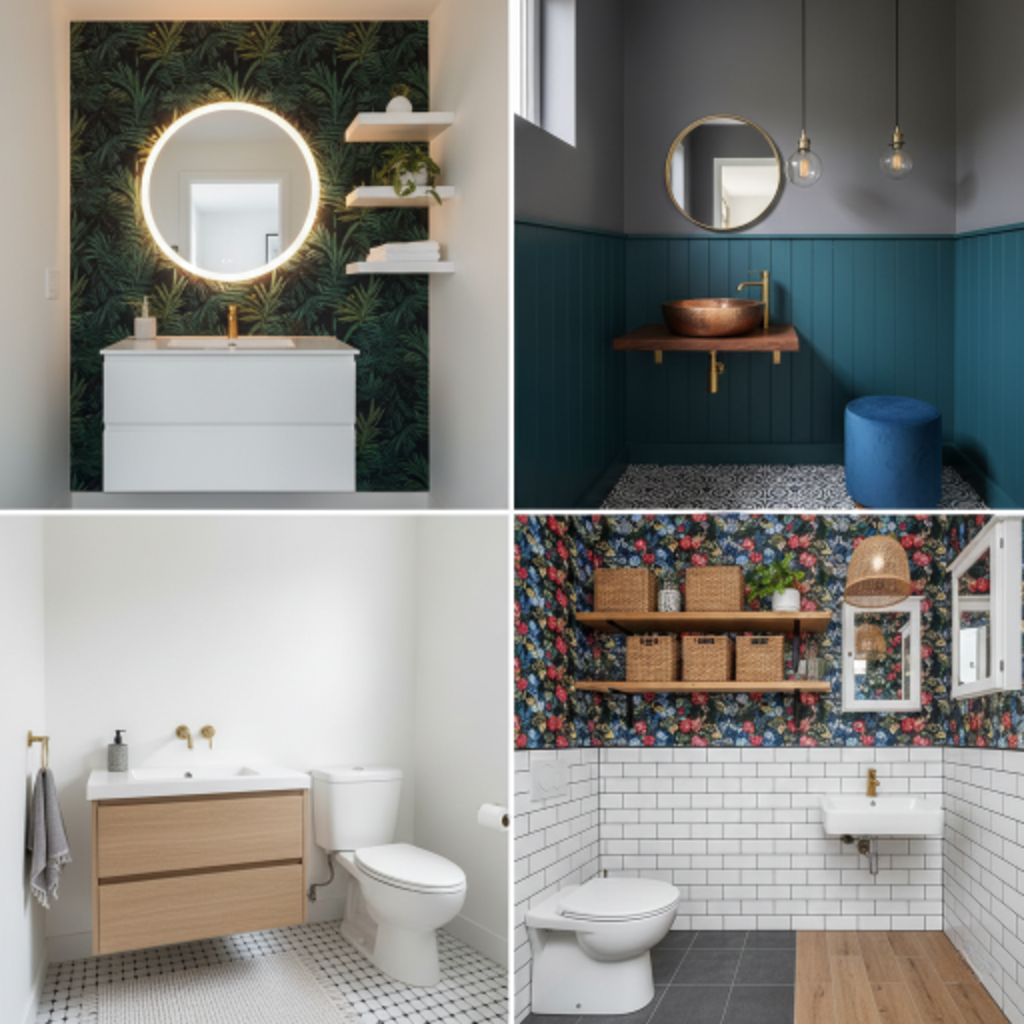
Choosing the perfect bathroom floor is a delicate balancing act between aesthetic ambition and practical necessity. Unlike any other room in the home, the bathroom demands materials that can withstand high humidity, frequent spills, and the occasional plumbing mishap, all while providing a comfortable surface for bare feet. When you dive into bathroom flooring ideas, you are essentially looking for the intersection of durability, safety, and style. The right choice can transform a cramped, utilitarian space into a spa-like sanctuary that adds significant value to your home. In this comprehensive guide, we will explore the most popular materials, current design trends, and technical considerations to help you select a floor that looks stunning and performs flawlessly for decades.
The Gold Standard: Porcelain and Ceramic Tile
Porcelain and ceramic remain the most popular choices for bathroom flooring due to their incredible versatility and water resistance. Porcelain, in particular, is fired at higher temperatures than ceramic, making it denser and less porous, which is ideal for wet environments. One of the biggest draws of tile is the sheer variety of design possibilities. Modern digital printing technology allows tile to mimic almost any material, including natural stone, marble, and even hardwood. For those who love the warmth of wood but fear the damage caused by steam and splashing, wood-look porcelain planks are an absolute game-changer. These tiles provide the organic texture and grain of oak or walnut while remaining completely waterproof and easy to clean.
Beyond aesthetics, tile offers incredible durability. It is scratch-resistant and can handle heavy foot traffic without showing wear. However, the one downside to tile is its coldness. Stepping onto a chilled tile floor on a winter morning can be a jarring experience. To solve this, many homeowners opt for radiant floor heating systems installed beneath the tile. This adds a layer of luxury that makes the bathroom feel high-end. When selecting your tile, pay close attention to the slip resistance rating. Polished, high-gloss tiles can become incredibly slick when wet, so it is often better to choose a matte finish or a tile with a textured surface for better grip underfoot.
The Luxury of Natural Stone
If your goal is to create a high-end, timeless aesthetic, natural stone is the undisputed leader. Materials like marble, slate, travertine, and granite offer a unique beauty that synthetic materials simply cannot replicate. Because stone is a product of nature, no two tiles are exactly alike, ensuring that your bathroom floor is a one-of-a-kind masterpiece. Marble is the most sought-after choice for a classic, opulent look, characterized by its elegant veining and bright, airy feel. However, it is important to remember that marble is a porous stone and requires regular sealing to prevent staining and water damage.
Slate is another excellent option, particularly for those who prefer a more rustic or contemporary industrial vibe. It is naturally slip-resistant due to its cleft texture and is exceptionally durable. Travertine offers a warm, earthy palette that works beautifully in Mediterranean-style bathrooms. While natural stone is undeniably beautiful, it does require more maintenance than porcelain. You must use pH-neutral cleaners to avoid etching the surface, and periodic resealing is a must. If you are willing to put in a little extra care, the reward is a floor that ages gracefully and potentially increases the resale value of your property more than any other material.
Luxury Vinyl Plank (LVP): The Modern Alternative
In recent years, Luxury Vinyl Plank (LVP) and Luxury Vinyl Tile (LVT) have surged in popularity, becoming a favorite among DIY enthusiasts and budget-conscious renovators. Modern luxury vinyl is a far cry from the thin, “peel-and-stick” floors of the past. Today’s LVP is thick, multi-layered, and features a rigid core that makes it 100% waterproof. It is designed to withstand standing water without warping or buckling, making it a perfect candidate for family bathrooms or basement suites.
One of the greatest advantages of vinyl is its comfort. It feels much softer and warmer underfoot than stone or ceramic, which is a major plus for those who prefer not to wear slippers. Additionally, vinyl is relatively easy to install; most products use a “click-lock” system that allows the planks to float over your existing subfloor. This can significantly reduce labor costs if you are hiring a professional or save you a weekend of hard work if you are doing it yourself. From a design perspective, LVP can convincingly mimic the look of expensive hardwood or reclaimed timber, giving you that cozy “hygge” feeling without the risk of wood rot.
Sustainable and Chic: Cork and Bamboo
For the environmentally conscious homeowner, sustainable flooring options like cork and bamboo are gaining traction. Cork is a fascinating material harvested from the bark of cork oak trees, meaning the tree itself is never cut down. It is naturally resistant to mold, mildew, and pests, which are common concerns in bathrooms. Cork feels incredibly spongy and warm, providing excellent shock absorption for your joints. However, because it is an organic material, it must be finished with a high-quality sealant to ensure it is water-resistant. It is best suited for powder rooms or well-ventilated master baths rather than high-traffic kids’ bathrooms where water is constantly puddled on the floor.
Bamboo is another eco-friendly powerhouse. While often grouped with hardwood, bamboo is actually a fast-growing grass. “Strand-woven” bamboo is particularly dense and durable, often outperforming traditional hardwoods in moisture resistance. Like cork, it needs a strong protective coating to handle the bathroom environment. These materials bring a soft, natural texture to a room that is often dominated by hard, cold surfaces like porcelain and chrome. Using sustainable materials is not just good for the planet; it creates a grounded, peaceful atmosphere that aligns perfectly with modern wellness-focused interior design.
Trending Layouts and Patterns
Once you have chosen your material, the way you lay it down can completely change the visual impact of the room. We are seeing a massive resurgence in classic patterns used in modern ways. The Herringbone pattern is currently a top trend on Pinterest, as it adds a sense of movement and sophistication to even the smallest bathrooms. Using long, narrow porcelain planks in a herringbone layout can make a narrow bathroom feel wider and more intentional.
Another popular choice is Hexagon tiles. Whether they are large-format concrete-look hexagons or tiny marble mosaics, the geometric shape adds a playful yet structured element to the space. For a bold, “Instagrammable” look, many homeowners are opting for Patterned Encaustic-style tiles. These tiles feature intricate, colorful designs that serve as a focal point, allowing you to keep the rest of the bathroom decor relatively simple. If you want a more subtle look, try using a contrasting grout color. For example, white subway tiles on the floor with a dark charcoal grout can create a stunning “grid” effect that hides dirt and adds a modern edge.
Practical Considerations: Safety and Maintenance
While aesthetics drive the initial inspiration, practicality ensures long-term satisfaction. The “COF” (Coefficient of Friction) rating is a technical detail you shouldn’t ignore. For bathroom floors, you want a COF of 0.60 or higher to ensure the surface isn’t a slip hazard. Small tiles are inherently more slip-resistant than large-format tiles because the increased number of grout lines provides extra traction for your feet. If you fall in love with a large, smooth tile, consider using it on the walls and choosing a smaller, textured version of the same material for the floor.
Maintenance is the final piece of the puzzle. If you hate cleaning grout, look into large-format tiles that minimize the number of lines, or choose a grout color that matches the tile to hide minor discoloration. For those who want the absolute lowest maintenance, luxury vinyl is the winner, requiring nothing more than a damp mop. Stone requires the most work but offers the most prestige. Consider your lifestyle and how much time you are realistically willing to spend on upkeep before making your final purchase.
Summary of Top Bathroom Flooring Ideas
| Material | Water Resistance | Durability | Price Range | Best For |
| Porcelain Tile | Excellent | Very High | $ – $$$ | Families and high-traffic baths |
| Natural Stone | Moderate (if sealed) | High | $$$$ | Luxury master suites |
| Luxury Vinyl | Excellent | High | $ – $$ | DIY projects and budget renos |
| Engineered Wood | Moderate | Medium | $$$ | Warmth and dry-climate homes |
| Concrete | High (if sealed) | Very High | $$-$$$ | Modern and industrial styles |
Choosing your bathroom flooring is an exciting step in defining your home’s personality. Whether you lean toward the timeless elegance of marble, the rugged durability of porcelain, or the modern convenience of luxury vinyl, there is a solution that fits your budget and your vision. By prioritizing water resistance and slip safety without sacrificing style, you can create a space that is both beautiful to look at and a joy to live in.