Creating a sanctuary within your home has never been more essential than it is today. As the world outside becomes increasingly fast-paced and digital, our bedrooms must serve as the ultimate tether to peace and restoration. One of the most effective ways to transform a standard sleeping area into a high-end retreat is through the inclusion of a canopy bed. Far from being just a relic of royal history or a feature for children’s rooms, the modern canopy bed is a versatile architectural element that defines space, adds texture, and provides a profound sense of psychological security. In this guide, we will explore how to curate a cozy canopy bedroom that prioritizes comfort, aesthetics, and a restful night’s sleep.
The Psychology of the Canopy Bed
There is a reason we feel instinctively drawn to the enclosed nature of a canopy. Psychologically, humans gravitate toward “prospect and refuge”—the ability to see out into a room while feeling protected from behind or above. A canopy bed creates a room within a room, offering a physical boundary that signals to the brain that it is time to transition from the active day to a restorative night. This sense of enclosure reduces visual distractions and can even help dampen ambient noise, making it easier to drift into a deep sleep. When you step inside the frame of a canopy bed, you are essentially entering a private cocoon designed exclusively for rest.
Choosing the Right Frame for Your Aesthetic
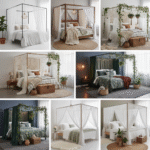
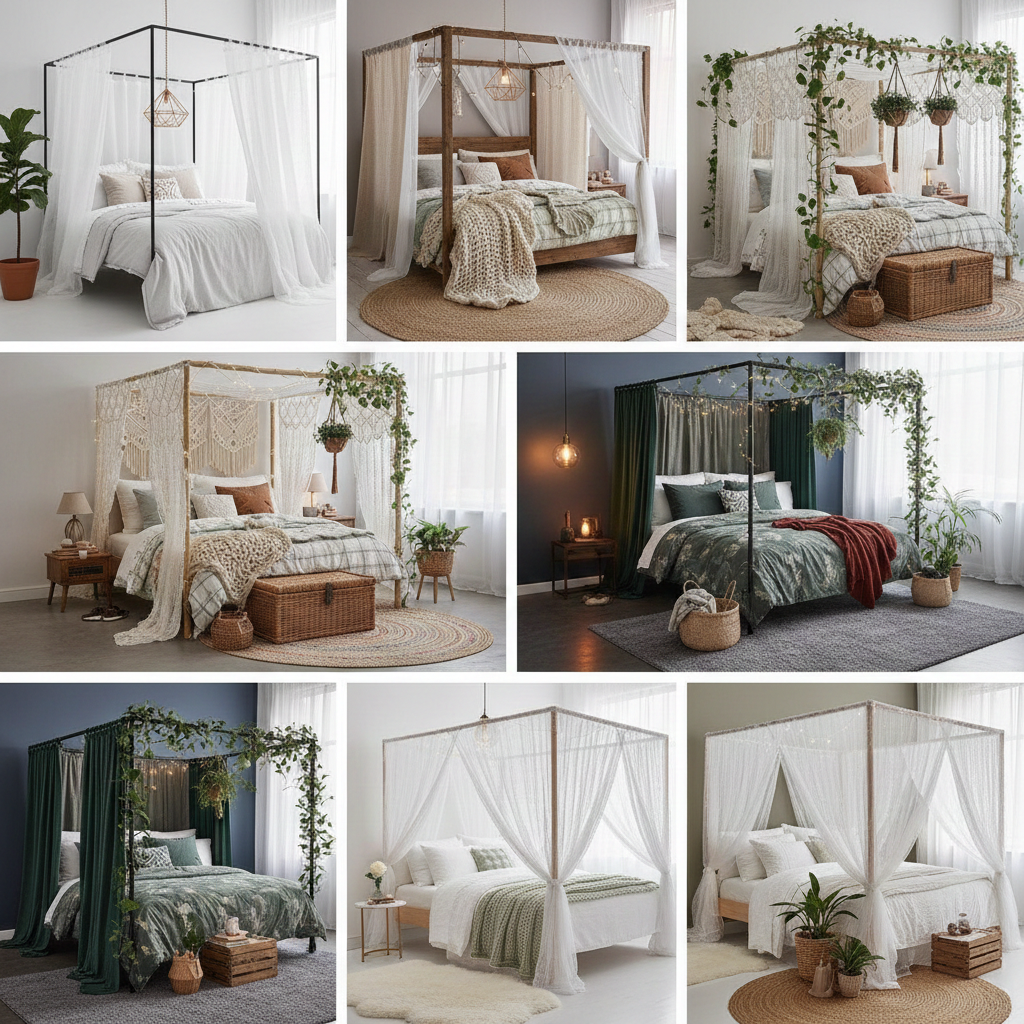
The foundation of a cozy canopy bedroom is the frame itself. While traditional heavy mahogany frames still hold a certain classic charm, modern design offers a variety of silhouettes that can fit any interior style. For a minimalist or Scandinavian look, a thin black metal frame provides clean lines without overwhelming the visual space of the room. If you prefer a rustic or farmhouse vibe, reclaimed wood frames add warmth and a sense of history. For those seeking a romantic or bohemian feel, draped bamboo or light-colored oak can soften the room’s edges. The key is to select a frame that complements your existing furniture while acting as the undisputed focal point of the space.
Layering Fabrics for Ultimate Comfort
The “cozy” factor of a canopy bed is largely determined by the textiles you choose to adorn it with. To achieve a peaceful atmosphere, consider the weight and breathability of your fabrics. Sheer linen or cotton gauze drapes are perfect for a light, ethereal look that allows air to circulate while still providing a sense of privacy. If your goal is to create a moody, sound-dampening environment, heavier fabrics like velvet or thick woven wool can be used as side panels. Don’t feel obligated to cover all four sides; sometimes, simply draping a long piece of fabric over the top rail or hanging panels at the head of the bed is enough to suggest the canopy effect without making the room feel smaller.
Lighting: Setting the Mood for Rest
Lighting plays a critical role in how we perceive comfort. In a canopy bedroom, you have the unique opportunity to integrate lighting directly into the bed’s structure. Stringing warm LED “fairy lights” along the top interior rails can create a magical, starlit effect that is incredibly soothing before sleep. Alternatively, hanging a small, dimmable pendant light from the center of the canopy frame can provide a focused glow for nighttime reading. Avoid harsh overhead lights; instead, rely on bedside lamps with warm-toned bulbs and the soft diffusion provided by your canopy fabrics to create a golden-hour glow that lasts all evening.
Color Palettes That Promote Sleep
While bold colors have their place in the home, a restful canopy bedroom usually benefits from a palette inspired by nature. Soft whites, muted greys, sage greens, and dusty blues are scientifically proven to lower the heart rate and promote a sense of calm. When choosing your bedding and canopy drapes, try to stick to a tonal or monochromatic scheme. Using different shades of the same color creates visual depth without the “noise” of high-contrast patterns. For example, a cream-colored frame paired with oatmeal linen drapes and a white duvet creates a sophisticated, cloud-like environment that feels infinitely inviting.
Incorporating Natural Elements
To truly make your bedroom a peaceful retreat, bring the outdoors in. The structure of a canopy bed is perfect for supporting climbing indoor plants like Pothos or English Ivy, which can be trained to grow along the frame. Not only does this add a touch of organic beauty, but many houseplants also work to purify the indoor air, contributing to a healthier sleeping environment. Pair your greenery with other natural materials like jute rugs, wicker baskets for extra pillows, and stone side tables. This connection to the natural world grounds the room and reinforces the feeling of the bedroom as a living, breathing sanctuary.
The Importance of High-Quality Bedding
A canopy frame is the skeleton of your retreat, but the bedding is the soul. To maximize the restfulness of your home, invest in high-quality natural fibers. Percale cotton is excellent for those who sleep hot, offering a crisp, cool touch, while sateen or flannel is ideal for colder climates. Layering is essential for both aesthetics and temperature control. Start with a high-thread-count sheet set, add a medium-weight duvet, and finish with a chunky knit throw blanket at the foot of the bed. The goal is to create a bed that looks like a plush landscape, beckoning you to dive in at the end of a long day.
Organizing for a Clutter-Free Mind
It is difficult to feel peaceful in a room filled with clutter. Because a canopy bed is a large piece of furniture, it requires the surrounding space to be organized and intentional. Utilize the space under the bed with discrete rolling bins for seasonal clothing, and ensure your nightstands have drawers to hide away charging cables, remotes, and miscellaneous items. By keeping the visual field around your canopy bed clear, you allow the “refuge” of the bed to remain the primary focus, preventing your brain from focusing on chores or unfinished tasks as you try to unwind.
Making It Yours: Personal Touches
While following design trends can be helpful, the most peaceful home is one that reflects the soul of its inhabitant. Add personal touches to your canopy area that bring you joy. This might mean a small shelf attached to the frame for your favorite books, a vintage quilt passed down through generations, or a signature scent diffused nearby like lavender or cedarwood. The cozy canopy bedroom is not just an interior design choice; it is a commitment to self-care. By intentionally designing this space, you are telling yourself that your rest is a priority and that you deserve a beautiful, quiet place to recharge.
Summary of Cozy Canopy Elements
| Element | Recommended Choice | Effect on Mood |
| Frame Material | Natural Wood or Matte Metal | Grounds the room and defines the space. |
| Fabric | Linen, Gauze, or Light Cotton | Adds softness and a sense of privacy. |
| Lighting | Warm LEDs or Dimmable Pendants | Creates a soothing, “hygge” atmosphere. |
| Color | Earth Tones and Pastels | Reduces visual stress and lowers heart rate. |
| Greenery | Trailing Plants (Ivy, Pothos) | Improves air quality and adds organic life. |
Final Thoughts on Restful Living
The journey to a more peaceful home starts with the environment where you begin and end your day. A cozy canopy bed is more than a piece of furniture; it is a structural embrace that fosters safety, warmth, and deep sleep. Whether you live in a modern city apartment or a quiet suburban house, implementing these ideas will help you carve out a corner of the world that is entirely yours. As you layer your fabrics, dim your lights, and settle into your new sanctuary, you’ll find that a restful home isn’t just a luxury—it’s a foundation for a better life.