We have all been there: you open the refrigerator door, stare into a chaotic abyss of half-empty jars, wilted greens, and mystery leftovers, and then slowly close it feeling more drained than when you started. It is a subtle but constant source of “decision fatigue.” However, what if I told you that a well-organized fridge is more than just a Pinterest-worthy aesthetic? It is a gateway to a more intentional, healthy, and stress-free lifestyle. When your kitchen’s command center is in order, your meal prep becomes seamless, your grocery bill shrinks, and that “fresh start” feeling permeates your entire home.
The Psychology of a Clear Cold Space
There is a profound psychological connection between our physical environment and our mental clarity. In the world of interior design and productivity, we often talk about the “clutter tax”—the mental energy we spend navigating disorganized spaces. By applying a systematic approach to your fridge, you are essentially reclaiming that energy. You are moving from a state of reactive cooking (making whatever is easiest because you can’t find the ingredients) to proactive nourishment. This transition is the secret sauce to maintaining a healthy diet and reducing the daily friction that leads to burnout.
Step 1: The Total Reset (The Empty-Out Phase)
To achieve a fridge organization that truly changes everything, you cannot simply move items from left to right. You must start with a blank canvas. Begin by taking every single item out of your refrigerator. This is the time to be ruthless. Check expiration dates, smell the condiments that have been lurking in the back since last Thanksgiving, and toss anything that no longer serves your health goals. Once the shelves are bare, wipe them down with a mixture of warm water and white vinegar. This natural disinfectant removes odors and sticky spills, ensuring your fresh start is literally fresh.
Step 2: Categorization and Zoning
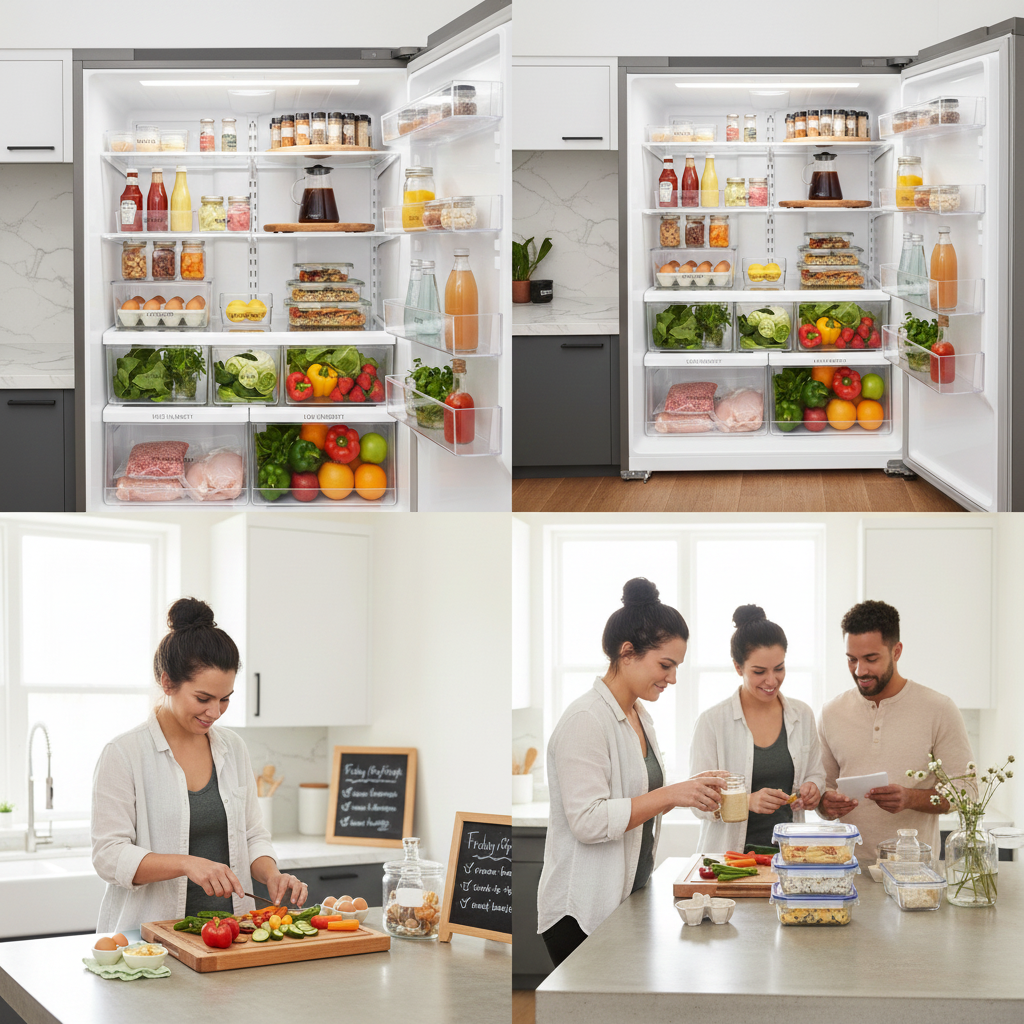
The most common mistake people make is placing groceries wherever they fit. Instead, think of your fridge in terms of “zones.” This isn’t just for looks; it is based on the science of temperature distribution. The top shelves have the most consistent temperature, making them ideal for leftovers, drinks, and ready-to-eat snacks. The middle shelves are perfect for dairy and eggs. The bottom shelf is the coldest part of the main compartment, which is where you should store raw meat and poultry to prevent cross-contamination. By assigning a permanent “home” to every category, you eliminate the frantic searching that leads to “fridge door linger,” which saves energy and keeps your food at a safe temperature.
Step 3: Investing in the Right Tools
While you don’t need to spend a fortune, high-quality clear bins are the undisputed champions of fridge organization. Transparency is key. If you can see the three bell peppers you bought on Monday, you are much more likely to use them before they turn soft. Use long, narrow bins for condiments and wide, shallow bins for snacks or deli meats. Consider adding a “Lazy Susan” or a turntable for the top shelf; this allows you to access jars at the very back with a simple spin, preventing the “forgotten jar” syndrome. Stackable wine racks and egg drawers can also maximize vertical space that would otherwise go to waste.
Step 4: Mastering the Produce Crispers
Your crisper drawers are often the “black holes” of the refrigerator where lettuce goes to die. To master this zone, understand the humidity settings. Most modern fridges have a high-humidity drawer and a low-humidity drawer. Leafy greens, herbs, and strawberries love high humidity (the vent should be closed). Things that rot easily, like apples, pears, and stone fruits, belong in the low-humidity drawer (the vent should be open). To take it a step further, pre-wash and prep your vegetables the day you buy them. Storing chopped carrots in water or wrapping kale in a damp paper towel within a container ensures that when you are tired after work, the “hard part” of eating healthy is already done.
Step 5: The Power of Labeling
Labeling is the bridge between a clean fridge and a clean fridge that stays clean. When every bin has a label—”Breakfast,” “Snacks,” “Sauces,” “Kiddos”—it creates a visual boundary for everyone in the household. It removes the guesswork for your partner or children, making it easier for them to put things back where they belong. You can use a dedicated label maker for a sleek look or simple chalkboard stickers for a more rustic, adjustable feel. This small step reinforces the system and ensures that your organizational efforts last longer than a few days.
Step 6: The “Eat Me First” Bin
One of the most effective strategies for reducing food waste and saving money is the “Eat Me First” bin. This is a designated container placed at eye level containing items that are approaching their expiration date or produce that needs to be consumed within 24–48 hours. By making these items the first thing you see when you open the door, you prioritize their use. This simple habit can save the average household hundreds of dollars a year in wasted groceries and makes meal planning for the end of the week incredibly easy—just look in the bin and find a way to combine those ingredients.
Step 7: Maintaining the Fresh Start
Fridge organization is not a one-time event; it is a rhythm. To keep the “fresh start” feeling alive, implement a “Friday Fridge Refresh.” Spend five minutes every week—ideally right before you do your next grocery shop—wiping down any spills, checking for old leftovers, and moving items forward. This prevents the buildup of clutter and ensures you have a clear idea of what you actually need to buy. When you shop with an organized fridge in mind, you stop over-purchasing, which leads to a more sustainable and intentional kitchen environment.
Elevating the Aesthetic
Since this is for your Pinterest-inspired life, don’t be afraid to add a touch of beauty. Transferring milk or juice into glass carafes can make your morning routine feel like a luxury experience. Using matching ceramic egg crates instead of cardboard cartons adds a sense of uniformity. Even the way you arrange your colors matters; try “rainbow-izing” your produce drawer. When your fridge looks like a work of art, you are more likely to respect the system you’ve built and feel a sense of pride every time you reach for an ingredient.
Final Thoughts: A Catalyst for Change
A clean, organized refrigerator is often the first domino to fall in a total lifestyle transformation. When you know what you have, you eat better. When you eat better, you feel better. When you feel better, you have more energy to tackle the other areas of your life that need a “fresh start.” This isn’t just about plastic bins and temperature zones; it’s about creating a sanctuary within your home that supports your best self. Start today, clear the clutter, and watch how this simple change ripples through your daily life.