When it comes to interior design, few elements bridge the gap between architectural beauty and practical utility as seamlessly as built-in shelving. For homeowners looking to elevate their living room, built-ins represent a permanent investment in both the aesthetic value and the daily flow of the home. Unlike freestanding bookcases that can often feel like an afterthought, built-in shelves are integrated into the very skeleton of your living space, offering a custom look that can make even a modest room feel like a high-end designer showcase. Whether you are dealing with an awkward alcove, a massive blank wall, or the space flanking a fireplace, the right shelving strategy can transform your living room into a curated sanctuary that reflects your personality while keeping clutter at bay.
The Power of Custom Cabinetry and Shelving
The primary allure of built-in shelves lies in their ability to maximize every square inch of available space. In modern living room design, we often see a move toward “quiet luxury”—a style that prioritizes quality materials and intentional layouts over flashy decor. Built-ins fit this trend perfectly because they allow for a streamlined look where everything has its place. By extending shelves from floor to ceiling, you draw the eye upward, creating the illusion of higher ceilings and a more expansive atmosphere. This verticality is a secret weapon for smaller living rooms, as it provides storage without consuming the valuable floor space that a bulky armoire or several mismatched cabinets would require.
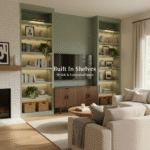
Beyond the physical space-saving benefits, built-ins offer a unique opportunity to define the focal point of a room. In many homes, the television or the fireplace tends to dominate the layout. However, surrounding these elements with custom shelving softens their impact and integrates them into a larger, more cohesive design story. You can use the shelves to frame a beautiful piece of art, house a collection of vintage records, or display travel mementos that spark conversation. The goal is to move away from the “storage unit” feel and toward a “gallery” feel, where the architecture itself becomes a decorative feature.
Creative Design Concepts for Your Living Room
When planning your built-ins, the first decision is often the configuration. One of the most popular and timeless layouts is the symmetrical approach, where shelves flank a central feature like a fireplace or a large window. This creates a sense of balance and formal elegance that works exceptionally well in traditional or transitional homes. If your style leans more toward the contemporary or eclectic, consider an asymmetrical design. You might have floor-to-ceiling shelves on one side of a wall and a low-profile credenza with a large-scale mirror on the other. This break in symmetry adds visual interest and allows you to accommodate different types of items, from tall floor vases to stacks of art books.
1. The Home Library Aesthetic
For the bibliophiles, there is nothing quite like a dedicated wall of books to add warmth and soul to a living room. To keep a full wall of books from feeling overwhelming, try organizing them by color for a rainbow effect, or turn the spines inward for a more neutral, textured look. Mixing in horizontal stacks among the vertical ones also breaks up the monotony and provides a platform for small decorative objects or “shelfies.”
2. The Integrated Media Center
Technology is a part of modern life, but it doesn’t have to be the star of the show. Many designers are now creating built-ins with “hideaway” compartments. Sliding barn doors or sleek pocket doors can conceal the television when it’s not in use, allowing the room to transition from a media hub to a sophisticated lounge in seconds. This is particularly useful in open-concept living areas where you want to maintain a clean aesthetic for entertaining.
3. The Arched Alcove Trend
One of the biggest trends in recent years is the move toward softer, organic shapes. Instead of standard rectangular boxes, consider arched built-ins. These curved tops add a sense of old-world charm and architectural character, reminiscent of Mediterranean or European estates. Painting the interior of these arches a contrasting color—such as a deep charcoal or a soft terracotta—creates depth and makes the items on display pop against the background.
Choosing the Right Materials and Finishes
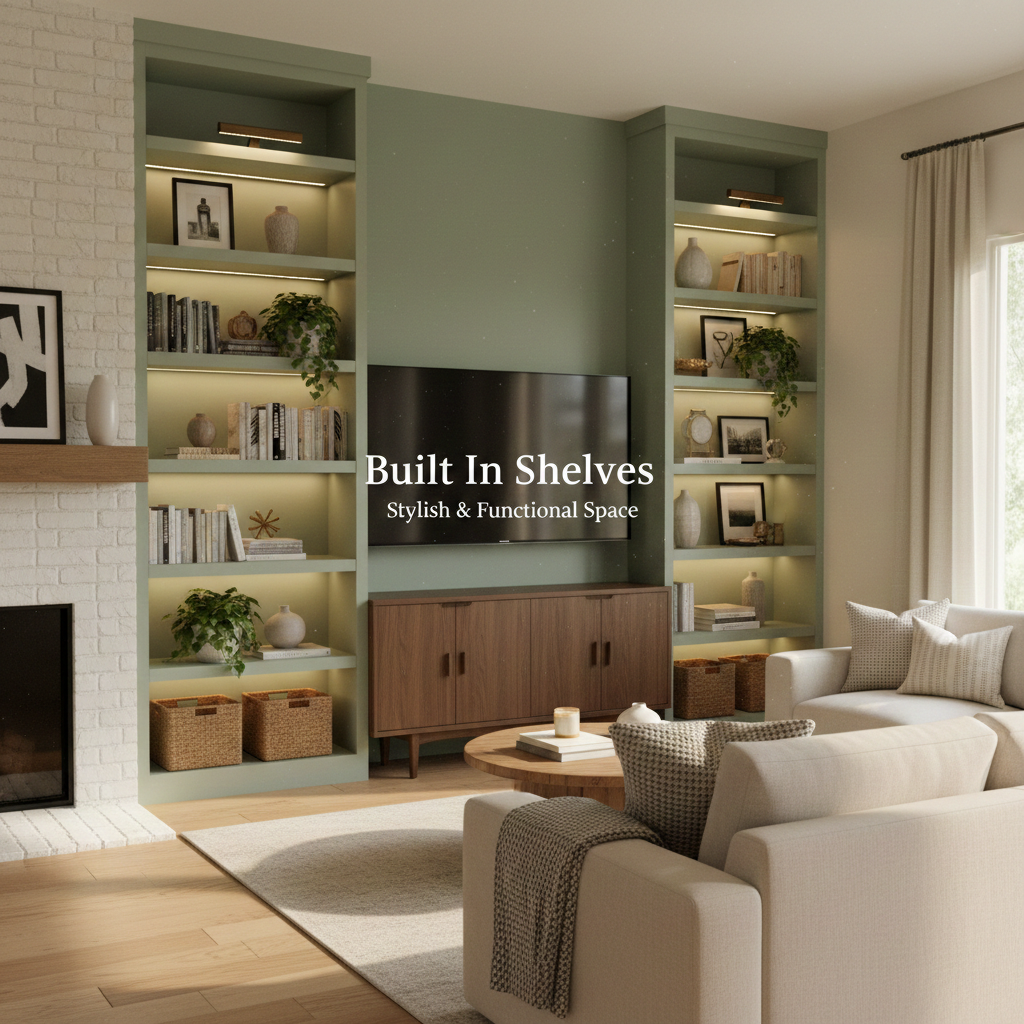
The materials you choose for your built-in shelves will dictate the overall “vibe” of your living room. Painted MDF or plywood is a classic choice because it offers a smooth, seamless finish that can be refreshed whenever you decide to change your color palette. Crisp white built-ins are a staple for farmhouse or coastal styles, providing a bright and airy backdrop. On the other hand, dark-painted built-ins in navy, forest green, or black offer a “moody” and sophisticated look that makes a bold statement.
If you prefer a more natural or rustic feel, stained wood is the way to go. Oak, walnut, and maple bring a sense of history and organic texture to the room. To bridge the gap between modern and rustic, many homeowners are opting for “floating” thick wood shelves set against a painted or wallpapered back-panel. This combination provides the sturdiness of built-ins with the visual lightness of modern design. For a touch of luxury, consider adding glass inserts to your cabinet doors or using brass hardware and integrated LED strip lighting to illuminate the shelves from within.
How to Style Your Shelves Like a Professional
Once the construction is complete, the real fun begins: styling. This is where many people feel stuck, often filling the shelves with too many small items that end up looking like “clutter.” The secret to a professionally styled built-in is the “rule of thirds” and the use of negative space. You don’t need to fill every inch of every shelf. In fact, leaving some empty space allows the eye to rest and makes the items you do display feel more significant.
Start by placing your largest items first—these are your anchors. Large vases, sturdy baskets, or oversized art books should be distributed across the shelves to create a sense of balance. Next, layer in your medium-sized items, like framed photos, bowls, or plants. Incorporating greenery is essential; the trailing vines of a Pothos or the structured leaves of a snake plant bring life and motion to the static lines of the shelving. Finally, fill in the gaps with smaller “trinkets,” but keep them grouped in odd numbers (sets of three or five) to maintain a curated look. Varying the heights and textures is key—mix matte ceramics with shiny glass or rough woven wood to create a rich, tactile experience.
Functional Considerations for Long-Term Value
While aesthetics are important, built-ins must serve your lifestyle. Before you start building, think about your storage needs. Do you need closed cabinetry at the bottom to hide toys, board games, or messy electronics? Lower cabinets with doors are a lifesaver for families, providing a “dump zone” that keeps the room looking tidy. If you plan on using the shelves for heavy items like a large collection of encyclopedias, ensure that the shelving material is thick enough to prevent sagging over time. Adjustable shelving is another smart feature to include, as it gives you the flexibility to change your display as your collection grows or as your decor tastes evolve.
Lighting is another functional element that shouldn’t be overlooked. Hardwired “picture lights” installed at the top of the built-ins provide a warm, downward glow that highlights your favorite pieces and adds an extra layer of ambient lighting to the room. If you are retrofitting built-ins and can’t easily run wires, battery-operated puck lights with remotes can offer a similar effect with much less hassle.
Conclusion: Making the Investment
Built-in shelves are more than just a place to put your stuff; they are a design choice that adds character, value, and functionality to your home. By thoughtfully considering the layout, materials, and styling, you can create a living room that feels both high-end and deeply personal. Whether you go for a sleek modern look or a cozy traditional library style, your built-ins will serve as the backdrop for years of memories, movie nights, and quiet afternoons by the fire.