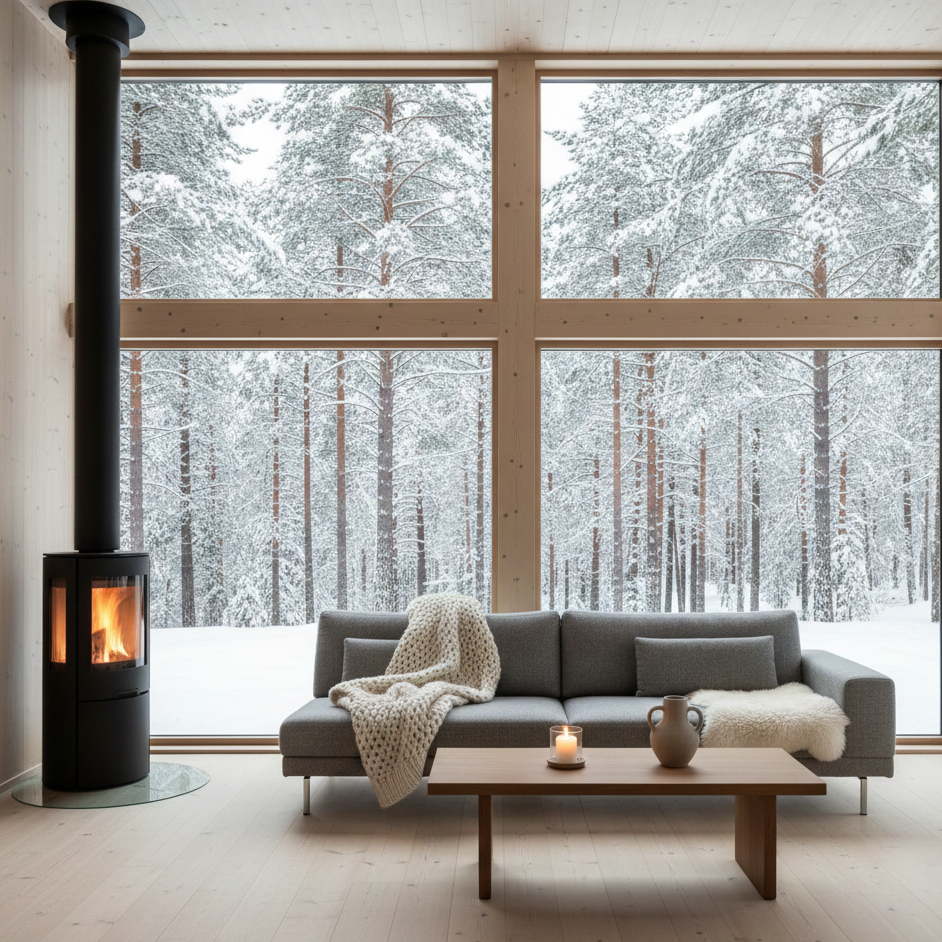
The allure of a Scandinavian cabin lies in its ability to marry rugged nature with sophisticated simplicity. Known as “Hytte” in Norway or “Stuga” in Sweden, these retreats are more than just buildings; they represent a lifestyle centered around slow living, environmental connection, and the art of coziness. When you step into a well-designed Scandi cabin, the world’s noise seems to fade, replaced by the crackle of a fire and the soft texture of natural wool. Achieving this look requires a delicate balance between functional minimalism and warm, inviting layers. It is about creating a space that feels curated rather than cluttered, where every object serves a purpose or brings joy. To truly embrace this aesthetic, one must look toward the Nordic philosophy of “Lagom”—not too little, not too much, just right.
The Foundation: Light and Natural Materials
Light is perhaps the most critical element in Scandinavian design. Because Nordic winters are long and dark, interiors are designed to maximize every drop of available sunlight. This begins with the walls. While traditional cabins often feature dark, heavy logs, the modern Scandi approach involves whitewashed wood or light timber like pine, ash, or birch. These pale surfaces bounce light around the room, making even a small cabin feel airy and expansive. Large, floor-to-ceiling windows are a staple, often left without heavy drapery to maintain a seamless connection with the forest or mountains outside. If privacy is needed, sheer linen curtains offer a soft touch without blocking the natural glow.
Materials should always feel organic. In a Scandinavian cabin, the goal is to bring the outdoors in. This means prioritizing wood, stone, and leather. Avoid synthetic plastics or high-gloss finishes that feel cold and manufactured. Instead, opt for matte textures and raw edges. A reclaimed wooden coffee table or a stone hearth provides a tactile quality that grounds the room. The scent of natural wood alone can transform the atmosphere, evoking a sense of calm and permanence. By keeping the material palette restricted and high-quality, you create a cohesive environment that feels timeless rather than trendy.
The Color Palette: Neutrals and Nature’s Tones
A common misconception is that Scandinavian interiors are strictly white. While white is the primary canvas, the true Scandi cabin palette is much more nuanced. Think of a winter landscape: shades of cool grey, soft beige, muted taupe, and charcoal. These “greige” tones provide depth and prevent the space from looking clinical. To add interest without breaking the minimalist vibe, incorporate “earthy” accents inspired by the Nordic landscape. Deep forest greens, slate blues, and rusty terracotta are perfect choices for pillows, ceramics, or artwork. These colors provide a visual anchor and mimic the natural environment surrounding the cabin.
Contrast is another vital tool. A monochromatic room can feel flat, so designers often use black accents to provide “visual weight.” Black window frames, minimalist light fixtures, or a sleek matte black fireplace can sharpen the room’s look and give it a modern edge. The key is to keep the base light and airy while using darker tones sparingly to draw the eye to specific architectural features. This contrast ensures that the minimalism feels intentional and sophisticated.
Hygge: The Art of Creating Warmth
Minimalism can sometimes feel cold, but the Danish concept of “Hygge” ensures that a Scandinavian cabin remains the ultimate sanctuary. Hygge is about atmosphere and feeling. It is the literal and metaphorical warmth of a space. To achieve this, layers are essential. Think of a plush sheepskin rug draped over a wooden chair, a chunky knit wool throw on the sofa, and linen bedding in the bedroom. These textiles add “visual softness” and invite you to relax. Mixing textures is the secret here; the contrast between a smooth leather chair and a rough woven rug creates a sensory experience that defines comfort.
Lighting plays a massive role in Hygge. Avoid harsh overhead lights which can kill the mood instantly. Instead, create “pools of light” using floor lamps, table lamps, and, most importantly, candles. Scandinavians are among the highest consumers of candles in the world for a reason. The flickering warmth of a candle or a wood-burning stove creates an intimacy that electric light cannot replicate. If you are choosing fixtures, look for iconic mid-century modern shapes or simple industrial designs that prioritize function. The goal is a soft, warm glow that makes the cabin feel like a hug at the end of a long day.
Functional Furniture and Decluttered Spaces
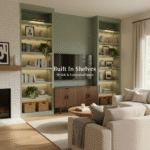
In a Scandinavian cabin, furniture is chosen for its form and its function. Each piece should be beautiful enough to stand alone but practical enough for daily use. Look for furniture with clean lines and tapered legs—this “lifted” look creates a sense of space by showing more of the floor. Built-in furniture is also a hallmark of cabin design. Window seats with hidden storage, built-in bookshelves, and lofted sleeping areas maximize every square inch without requiring extra clutter. This is particularly important in smaller cabins where maintaining an open flow is essential for mental clarity.
Decluttering is not just about cleaning; it’s a design principle. Scandi style celebrates the “breathing room” around objects. Instead of a gallery wall with fifty pictures, choose one large, meaningful landscape photograph or an abstract piece of art. On shelves, display a few pieces of handmade pottery rather than dozens of mass-produced knick-knacks. When you reduce the number of items in a room, the items that remain gain more significance. This intentionality creates a peaceful environment where the mind can rest. A clean space leads to a clean mind, which is the ultimate goal of a retreat.
Bringing it All Together: The Outdoor Connection
Finally, a Scandinavian cabin is never complete without considering its relationship with the outdoors. The transition between the interior and the exterior should be as fluid as possible. A simple wooden deck with a couple of Adirondack chairs and a fire pit extends the living space and encourages spending time in nature. Even if you aren’t in the middle of a forest, you can mimic this connection with indoor plants. Hardy greenery like ferns or small pine trees in ceramic pots adds life and oxygen to the room. The goal is to remember that the cabin is a vessel for enjoying the world around it, providing a safe, warm vantage point to watch the seasons change.