Transforming a small corner of your lawn into a functional living space is one of the most rewarding home improvement projects you can undertake. Backyard guest houses, often referred to as accessory dwelling units (ADUs), tiny homes, or granny flats, have surged in popularity as homeowners seek creative ways to expand their living footprint without the stress of a full-scale home addition. Whether you envision a quiet sanctuary for visiting family, a high-end rental property to generate passive income, or a dedicated creative studio, the possibilities for these miniature retreats are endless. By focusing on smart design, sustainable materials, and aesthetic cohesion, you can create a backyard escape that feels like a luxury boutique hotel just steps from your back door.
Defining the Purpose of Your Backyard Retreat
Before you break ground or purchase a pre-fabricated kit, it is essential to define the primary function of your guest house. A structure intended for overnight guests requires full plumbing and kitchen facilities, whereas a simple “she-shed” or home office might only need electricity and insulation. If your goal is to host aging parents, accessibility features like wide doorways and curbless showers should be prioritized from the start. Conversely, if you are designing a space for short-term vacation rentals, you should focus on “Instagrammable” aesthetics and high-end finishes that will make your listing stand out. Understanding the “why” behind your build ensures that every square foot is optimized for its intended use, preventing costly mid-construction changes.
Architectural Styles to Match Your Main Home
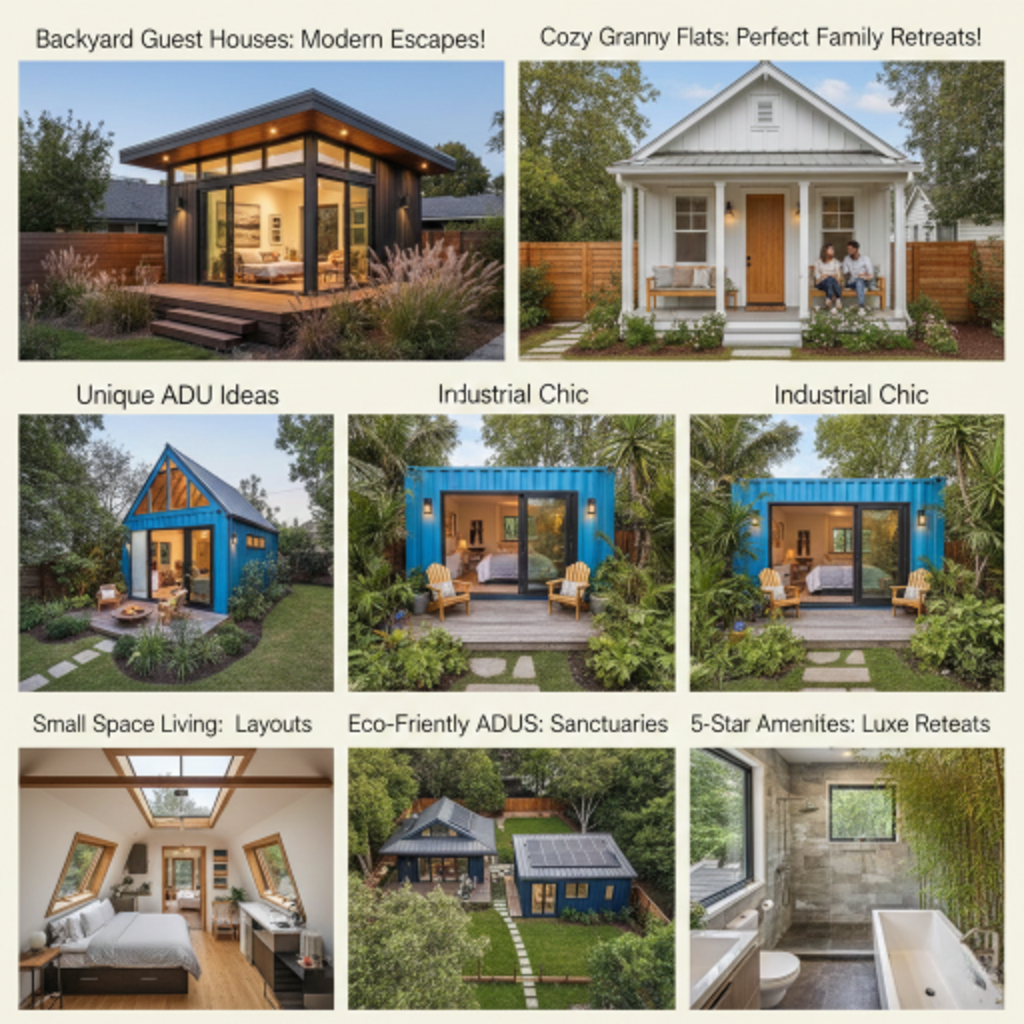
One of the keys to a successful backyard guest house is ensuring it complements the existing architecture of your primary residence. For modern homes, consider a sleek, minimalist structure featuring floor-to-ceiling glass walls, flat rooflines, and black metal accents. This creates a seamless transition between the indoor and outdoor environments. If your main house is a traditional farmhouse or craftsman style, a guest cottage with board-and-batten siding, a gabled roof, and a welcoming front porch will feel like a natural extension of the property. For those who want something truly unique, converted shipping containers or A-frame cabins offer a trendy, industrial, or rustic vibe that works exceptionally well in wooded or sprawling backyard settings.
Maximizing Small Space Layouts
Designing for a small footprint requires a shift in perspective where every inch must serve a purpose. Open-concept floor plans are the gold standard for guest houses because they prevent the space from feeling cramped or claustrophobic. Utilizing “transformer” furniture, such as Murphy beds that tuck away into the wall or dining tables that double as workspaces, allows a single room to serve multiple functions throughout the day. High ceilings and strategically placed skylights are also secret weapons in small-scale design; by drawing the eye upward and flooding the interior with natural light, you can make a 400-square-foot unit feel significantly larger than its actual dimensions. Built-in storage, such as drawers under the bed or cabinets that reach the ceiling, keeps clutter at bay and maintains a serene atmosphere.
Essential Amenities for a Five-Star Experience
To make your backyard guest house a true retreat, you must focus on the details that provide comfort and convenience. A small but well-equipped kitchenette featuring a convection microwave, a deep sink, and a high-quality coffee station allows guests to feel self-sufficient. In the bathroom, don’t skimp on the finishes; a rainfall showerhead and heated tile floors can elevate the entire experience. Temperature control is another critical factor for comfort. Installing a mini-split HVAC system is often the most efficient way to provide both heating and cooling to a small detached structure without the need for extensive ductwork. Finally, ensure the guest house has its own dedicated Wi-Fi signal or a hardwired ethernet port, as modern travelers and remote workers consider high-speed internet a non-negotiable luxury.
Connecting the Indoors to the Outdoors
The true charm of a backyard guest house lies in its relationship with the surrounding landscape. To create a cohesive retreat, extend the living space outdoors with a private deck, patio, or gravel seating area. Surrounding the unit with lush landscaping, such as tall grasses, flowering shrubs, or a trellis with climbing vines, provides a sense of seclusion and privacy from the main house. Consider adding a small fire pit or a pair of Adirondack chairs to encourage guests to enjoy the fresh air. Large sliding glass doors or “NanaWalls” can be used to blur the boundary between the interior and the garden, allowing the scent of flowers and the sound of birds to become part of the guest experience. Lighting also plays a massive role; use warm LED path lights and string lights to create a magical ambiance during the evening hours.
Navigating Permits and Legal Requirements
While the creative side of building a guest house is exciting, navigating the legalities is a crucial step that cannot be ignored. Zoning laws and building codes vary significantly by city and county. Many areas have specific regulations regarding the maximum size of an ADU, its distance from the property line, and whether it requires dedicated parking. It is vital to consult with your local planning department before committing to a design. Some regions have recently relaxed their ADU laws to encourage more housing density, making it easier than ever to get approval. Hiring a professional contractor or an architect who is familiar with local codes can save you months of frustration and ensure that your new structure is safe, legal, and adds genuine value to your property.
Sustainability and Eco-Friendly Design
Modern backyard guest houses are the perfect canvas for experimenting with sustainable building practices. Because the structures are small, the cost of high-quality, eco-friendly materials is often more manageable. Consider using reclaimed wood for flooring, recycled denim insulation, and low-VOC paints to create a healthy indoor environment. Solar panels installed on the roof of the guest house can often generate enough power to make the unit net-zero, or even contribute energy back to the main house. Rainwater harvesting systems can be used to irrigate the surrounding garden, while large eaves can be designed to provide passive shading during the hot summer months. Building “green” not only reduces the environmental impact but also lowers the long-term operating costs of the retreat.
Interior Styling Tips for a Cozy Vibe
Once the structure is complete, the interior styling is what transforms a building into a home. For a backyard retreat, a “less is more” approach usually works best. Choose a cohesive color palette—soft neutrals, warm woods, and earth tones—to create a calming atmosphere. Textures are your best friend in a small space; layer linen curtains, wool rugs, and velvet pillows to add depth without adding bulk. Use mirrors strategically to reflect light and create the illusion of more space. Personal touches, such as a small library of books, local artwork, or a basket of fresh snacks, make guests feel truly welcome. Remember that in a small space, every object is on display, so choose items that are both beautiful and functional.
The Return on Investment (ROI)
Investing in a backyard guest house is one of the smartest financial moves a homeowner can make. Beyond the immediate benefit of having extra space for friends and family, an ADU significantly increases the resale value of your property. In many real estate markets, a well-built guest house can yield a high return on investment, often paying for itself within a few years if used as a rental property. Even if you don’t plan to sell, the flexibility the space provides—serving as a nursery, a teenage hangout, a gym, or a home office—makes your property more adaptable to the changing stages of life. It is an investment in both your financial future and your quality of life.
Conclusion: Creating Your Own Personal Haven
Building a backyard guest house is about more than just adding square footage; it is about creating a specialized environment tailored to your lifestyle. It is a place where creativity can flourish, where guests can feel pampered, and where you can find a moment of peace just a few steps away from the chaos of daily life. By combining thoughtful architecture, smart interior design, and a deep connection to the outdoors, you can turn a simple patch of grass into a sophisticated retreat that enhances your home’s beauty and functionality. Whether your style is ultra-modern or charmingly rustic, the perfect backyard guest house is the one that makes you—and your visitors—never want to leave.