The color green has long been associated with renewal, tranquility, and the life-giving energy of the natural world. As we spend more time indoors, the desire to reconnect with nature has transformed the way we approach interior design, making green one of the most sought-after hues for the modern living room. Whether you are aiming for a moody, sophisticated sanctuary with deep emerald tones or a bright, airy retreat featuring soft sage, green offers a versatility that few other colors can match. It acts as a “neutral” of the natural world, meaning it pairs effortlessly with wood, stone, and metal. In this comprehensive guide, we will explore how to master the art of the green living room, from choosing the perfect shade to layering textures that make your space feel fresh, stylish, and deeply restorative.
Finding Your Perfect Shade of Green
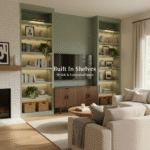
The first step in designing a green living room is identifying the specific “mood” you want to evoke, as different tones of green can drastically alter the atmosphere of a room. For those seeking a sense of drama and timeless elegance, deep forest greens or jewel-toned emeralds are the way to go. These darker shades create an intimate, cocoon-like feeling that is perfect for cozy evenings. On the other end of the spectrum, sage green and olive have become the darlings of the “organic modern” movement. These desaturated, earthy greens act as a calming backdrop that feels sophisticated without being overwhelming. If you want something more energetic and youthful, consider a vibrant mint or a zesty lime accent. When selecting your paint or primary furniture color, always consider the natural light in your room. A dark green that looks rich and luxurious in a sun-drenched space might feel somber in a room with north-facing windows.
The Power of the Statement Sofa
One of the most effective ways to anchor a green-themed living room is with a high-impact piece of furniture, specifically a green sofa. A velvet emerald sofa is a classic design choice that instantly elevates a room, adding a touch of old-world glamour and tactile luxury. If you prefer a more relaxed or “California cool” vibe, a moss-colored linen sectional provides comfort while staying true to a nature-inspired palette. When you opt for a green sofa, you allow the walls to remain a neutral cream or off-white, which keeps the room feeling spacious. To style a green sofa, layer it with throw pillows in contrasting earth tones like terracotta, mustard yellow, or charcoal grey. This prevents the green from feeling too monolithic and introduces a “collected” look that feels professionally designed.
Layering Green Textures and Patterns
To prevent a green living room from feeling flat, you must lean heavily into texture. Color is only one part of the equation; the materials you choose will dictate how the color is perceived. Imagine a matte sage-green wall paired with a chunky, cream-colored wool rug and a smooth, dark oak coffee table. The interplay between these surfaces creates visual interest that keeps the eye moving. If you are bold enough to use green patterns, look toward traditional botanical prints or subtle geometric weaves in tonal green shades. A pair of olive-green curtains in a heavy linen can add vertical height and a sense of softness to the windows. Remember that green is a color that thrives on light and shadow, so using fabrics with different sheen levels—like silk, velvet, and raw cotton—will make the green shades appear multi-dimensional and rich.
Bringing the Outdoors In: Biophilic Design
The most literal way to execute a green living room is through the use of actual greenery. Biophilic design—the practice of connecting buildings to the natural world—is a fundamental pillar of a fresh and stylish space. Plants provide the perfect accent to any shade of green decor because they introduce organic shapes and varying shades of chlorophyll that artificial pigments simply cannot replicate. A large, architectural plant like a Bird of Paradise or a Monstera Deliciosa can act as a living sculpture in an empty corner. For smaller spaces, a collection of terracotta-potted succulents on a mantel or a trailing Pothos on a high shelf adds a layer of softness. Beyond aesthetics, living plants improve air quality and have been proven to reduce stress levels, making your stylish living room a literal “breathing space.”
Complementary Color Palettes for Green
While green can certainly stand on its own in a monochromatic scheme, it truly shines when paired with the right supporting colors. For a classic, high-contrast look, pair deep greens with crisp white trim and matte black accents. This creates a “modern traditional” aesthetic that never goes out of style. For a warmer, more bohemian feel, look to the opposite side of the color wheel and incorporate shades of rust, copper, and warm wood. The warmth of these tones balances the inherent coolness of many green shades, resulting in a room that feels balanced and inviting. If you want a serene, spa-like environment, combine sage green with soft greys and light-toned woods like white oak or birch. Gold and brass hardware also work exceptionally well with green, as the metallic warmth makes the green tones feel more expensive and polished.
Accentuating with Green Decor
If you aren’t ready to commit to green walls or a green sofa, you can still achieve a fresh, stylish look through intentional accessorizing. Start with your walls; a large-scale landscape painting or a series of botanical sketches can introduce the color palette without the permanence of paint. Glassware and ceramics are another fantastic medium for green; a collection of vintage emerald glass vases on a windowsill catches the light beautifully. Look for rugs that incorporate green in subtle, heathered patterns rather than solid blocks of color. Even something as simple as a stack of coffee table books with green spines or a moss-green mohair throw draped over a neutral armchair can signal a cohesive design theme. The key to successful accenting is repetition—ensure the green appears in at least three different places at different heights throughout the room to make it feel like a deliberate choice.
Creating Mood with Lighting
Lighting is the final touch that determines how “fresh” your green living room actually feels. During the day, maximize natural light as much as possible; sheer curtains allow sunlight to filter through and illuminate the green tones, making them appear vibrant and alive. In the evening, the goal shifts to creating a warm, moody glow. Because green is a cool-based color, it can sometimes feel cold under blue-toned LED lights. Always opt for “warm white” bulbs to bring out the yellow undertones in your green decor, which makes the space feel cozy and sun-baked. Use floor lamps with linen shades to cast a soft light across your green walls, creating a gradient effect that adds depth and architectural interest. For a touch of luxury, consider a statement chandelier in a brass or black finish to provide a modern focal point against the organic backdrop.
Why Green is the Ultimate Choice for Your Home
Ultimately, a green living room is more than just a trend; it is a design philosophy that prioritizes well-being and timeless style. Green is the color of growth and harmony, making it the ideal choice for the heart of the home where families gather and guests are welcomed. It is a color that adapts to your needs—it can be as bold or as quiet as you want it to be. By following these ideas and focusing on the balance between modern style and organic elements, you can create a space that feels fresh for years to come. Whether you’re painting every wall a deep shade of hunter green or simply adding a few lush plants and velvet pillows, the infusion of green will undoubtedly breathe new life into your living space.
Top Tips for a Stylish Green Living Room:
- Mix your greens: Don’t be afraid to use different shades like olive, forest, and sage in the same room for a layered look.
- Use natural wood: Green and wood are a match made in heaven; the brown tones ground the green and add essential warmth.
- Incorporate metallic accents: Brass and gold pop beautifully against green, adding a sophisticated and “finished” feel.
- Prioritize plants: Nothing complements green decor better than the real thing; use varying heights and leaf shapes.
- Think about the ceiling: For a bold, “jewel-box” effect, consider painting the ceiling a shade of green that is slightly lighter than the walls.
- Focus on comfort: Choose soft, inviting fabrics like velvet or high-quality linen to make the color feel as good as it looks.