The dining room is often the heartbeat of a home. It is a space where families gather to share meals, where friends linger over long conversations, and where holiday memories are etched into history. However, designing a dining room that balances functionality with high-end aesthetics can be a challenge. Whether you are working with a sprawling open-plan space or a cozy nook, the right design choices can transform a mundane eating area into a sophisticated sanctuary. From selecting the perfect statement lighting to choosing textures that invite touch, creating a Pinterest-worthy dining room requires a blend of intentionality and personal flair.
Finding Your Signature Style
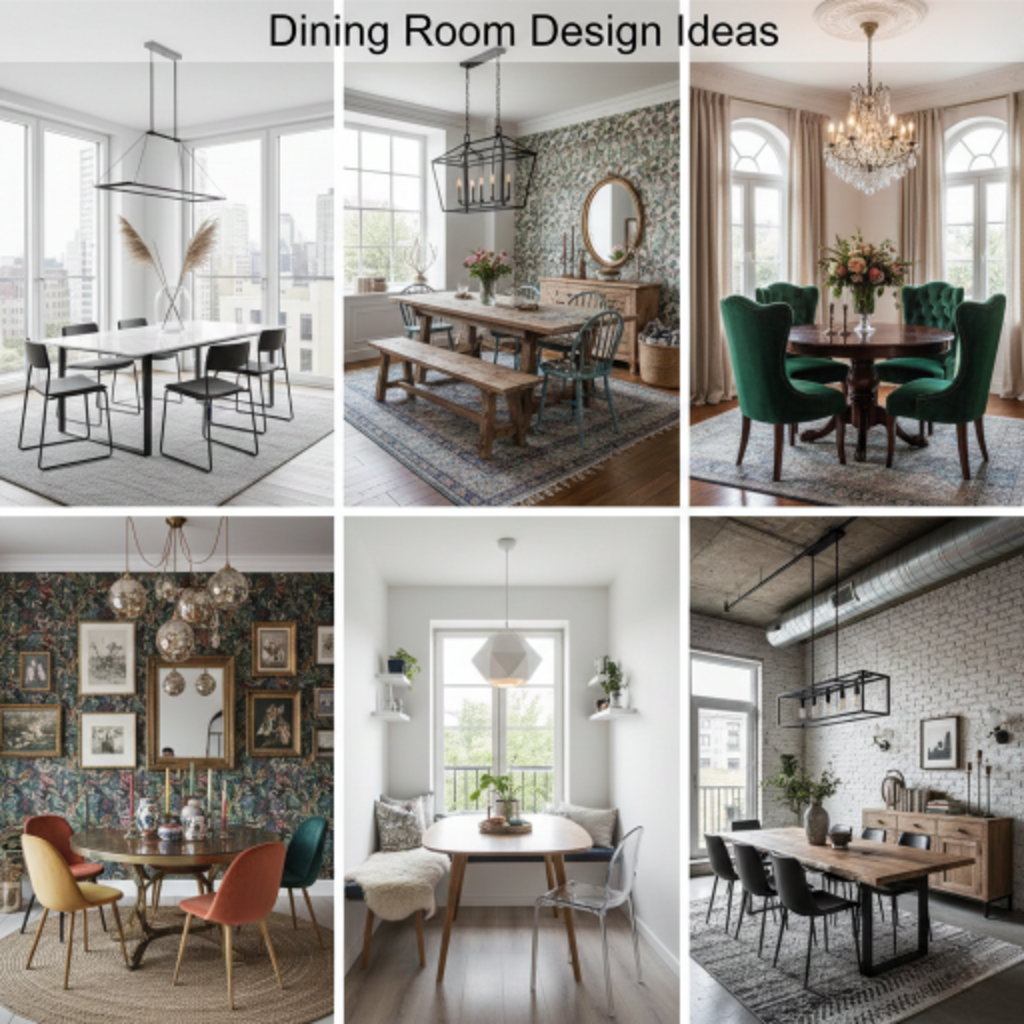
Before you begin purchasing furniture, it is essential to define the “vibe” of your space. Modern design often leans toward minimalism, characterized by clean lines, a neutral color palette, and sleek materials like marble or glass. If you prefer a more lived-in, soulful feeling, a rustic or farmhouse aesthetic might be more your speed, utilizing reclaimed wood, wrought iron accents, and woven textiles. For those who love a bit of drama, the maximalist approach allows for bold wallpapers, rich velvet seating, and eclectic art galleries. By establishing a clear style direction early on, you ensure that every subsequent choice—from the rug to the centerpiece—feels cohesive rather than cluttered.
The Anchor: Choosing the Right Table and Seating
The dining table is the undisputed protagonist of the room. Its shape should be determined by both the dimensions of the space and your entertaining habits. Rectangular tables are the classic choice for formal dining rooms and large families, offering a sense of structure and grandeur. On the other hand, round tables are incredible for fostering conversation, as they eliminate “heads of the table” and allow everyone to see one another easily. If you are working with a narrow space, an oval table offers the length of a rectangle with softened edges that improve flow.
When it comes to seating, the trend of perfectly matched sets is slowly giving way to more curated, “collected” looks. Mixing and matching chairs can add instant character. You might pair a heavy wooden table with lightweight mid-century modern chairs, or use upholstered “host chairs” at the ends of the table to add a layer of luxury. Don’t forget the power of a dining bench; it’s an excellent way to save space in smaller rooms and provides a casual, communal feel that kids and guests alike often love.
Lighting as a Focal Point
In the world of interior design, lighting is often referred to as the “jewelry” of the room. In a dining room, it serves two purposes: providing necessary illumination and acting as a visual anchor. A large, oversized pendant light or a shimmering chandelier hanging directly over the table creates a designated “zone” within the house. For a contemporary look, consider linear suspension lights that mimic the length of the table. If your style is more traditional, a multi-tier crystal chandelier can add a sense of timeless elegance.
Beyond the main fixture, layered lighting is key to setting the right mood. Wall sconces can provide a soft glow that eliminates harsh shadows, while a set of dimmable lamps on a sideboard or buffet can create a cozy atmosphere for evening dinner parties. Always install a dimmer switch for your main overhead light; the ability to transition from bright “homework light” to soft “dinner party glow” is a game-changer for the versatility of the room.
Texture, Color, and Walls
Color has a profound impact on the dining experience. Warm tones like terracotta, deep burgundy, or mustard yellow can stimulate appetite and create a sense of intimacy. Conversely, cool tones like sage green or dusty blue offer a calming, sophisticated backdrop. If you aren’t ready to commit to painting the entire room, consider an accent wall or high-quality removable wallpaper in a botanical print or geometric pattern. Wallpaper adds a layer of depth that paint simply cannot replicate, making the room feel “finished.”
Texture is equally important. A dining room can often feel “hard” because of the abundance of wood, metal, and glass. You can soften the space by introducing fabrics. Think floor-to-ceiling linen drapes that frame the windows, or a high-quality area rug. When choosing a rug, ensure it is large enough—all chair legs should remain on the rug even when pulled out. Look for low-pile or performance fabrics that are easy to clean, as spills are inevitable in a dining environment.
Decorating the Table and Beyond
A dining room should never feel like a museum showroom; it should feel personal. The sideboard or buffet is the perfect place to display your personality. Use this surface to style a rotating collection of ceramics, vintage glassware, or a stack of your favorite cookbooks. A large mirror placed above the sideboard can also make a small dining room feel twice its size by reflecting light and adding a sense of openness.
For the table itself, the centerpiece should be the finishing touch. For everyday styling, a simple wooden bowl filled with seasonal fruit or a sculptural vase with a few dried branches works beautifully. When hosting, you can elevate the look with tapered candles of varying heights and fresh eucalyptus runners. The key is to keep the centerpiece low enough so that it doesn’t block the line of sight between guests.
Designing for Small Spaces
If you are working with a compact dining area, focus on “visual lightness.” Choose furniture with slim legs rather than bulky bases to allow more of the floor to be seen, which tricks the eye into thinking the room is larger. Ghost chairs (made of clear acrylic) are a classic designer trick for small spaces because they provide seating without taking up any visual “weight.” Additionally, using a mirror to reflect a window can bring in more natural light, making the nook feel airy and bright rather than cramped.
Summary of Key Design Elements
| Element | Modern Style | Farmhouse Style | Traditional Style |
| Table | Marble or Glass | Reclaimed Wood | Dark Mahogany |
| Chairs | Metal or Plastic | Spindle or Bench | Upholstered Wingback |
| Lighting | Geometric Pendant | Lantern or Wood Beam | Crystal Chandelier |
| Rug | Jute or Solid Color | Distressed Oriental | High-Pile Wool |
Ultimately, the best dining room design is one that reflects how you actually live. Whether it’s a space for messy pancake breakfasts, intense board game nights, or elegant holiday roasts, your design choices should support those moments. By focusing on a mix of high-quality “anchor” pieces and thoughtful, textured layers, you can create a room that isn’t just beautiful to look at on Pinterest, but is a joy to spend time in every single day.